Not logged in

Customer Service: 866-909-6333
- Home
- Special Deals
- TV Props
- TV Deals & Packages
- View All Television Props
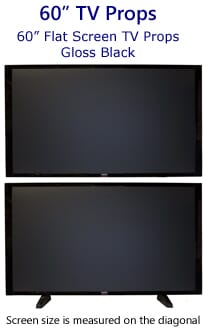
- 60" TV Prop Styles
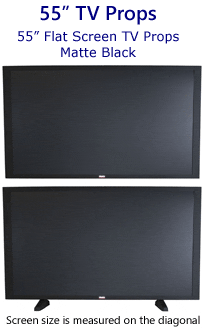
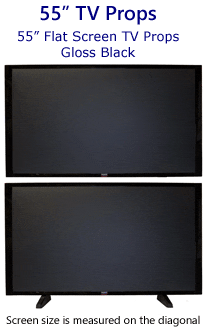
- 55" TV Prop Styles
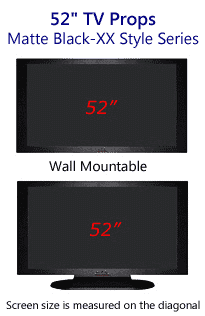
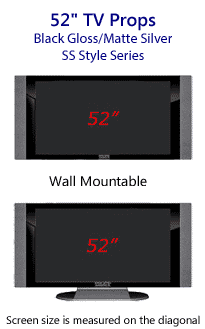
- 52" TV Prop Styles
- View & Compare 52" TV Props
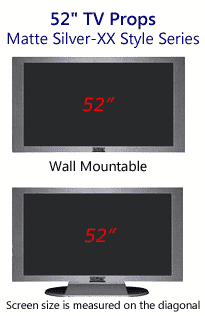
- 52" TV Props - Plasma TV Style in Matte Black
- 52" TV Props - Plasma TV Style in Matte Silver
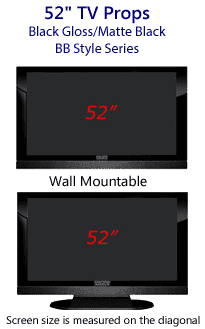
- 52" TV Props - Plasma TV Style in Gloss Black/Matte Black
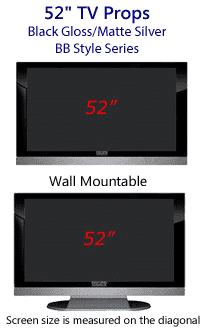
- 52" TV Props - Plasma TV Style in Gloss Black/Matte Silver
- 52" TV Props - HDTV Style (with Bottom Speaker) in Gloss Black/Matte Black
- 52" TV Props - HDTV Style (with Bottom Speaker) in Gloss Black/Matte Silver
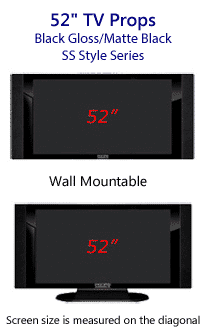
- 52" TV Props - HDTV Style (with Side Speakers) in Gloss Black/Matte Black
- 52" TV Props - HDTV Style (with Side Speakers) in Gloss Black/Matte Silver
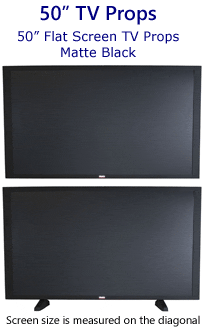
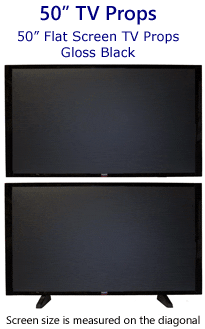
- 50" TV Prop Styles
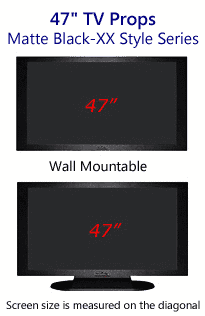
- 47" TV Prop Styles
- View & Compare 47" TV Props
- 47" TV Props - Plasma TV Style in Matte Black
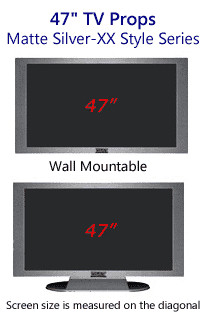
- 47" TV Props - Plasma TV Style in Matte Silver
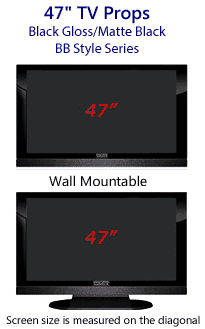
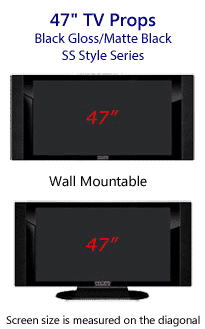
- 47" TV Props - Plasma TV Style in Gloss Black/Matte Black
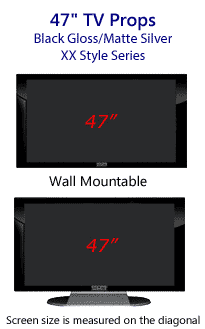
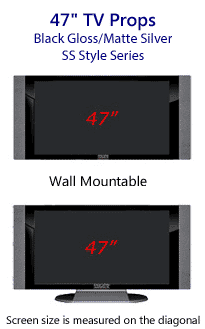
- 47" TV Props - Plasma TV Style in Gloss Black/Matte Silver
- 47" TV Props - HDTV Style (with Bottom Speaker) in Gloss Black/Matte Black
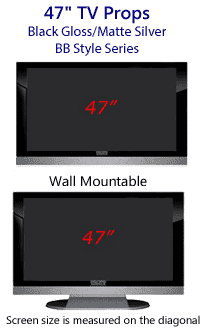
- 47" TV Props - HDTV Style (with Bottom Speaker) in Gloss Black/Matte Silver
- 47" TV Props - HDTV Style (with Side Speaker) in Gloss Black/Matte Black
- 47" TV Props - HDTV Style (with Side Speaker) in Gloss Black/Matte Silver
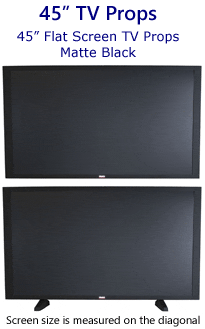
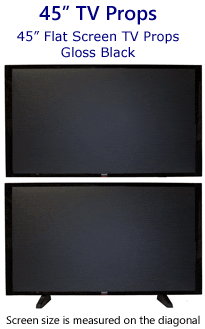
- 45" TV Prop Styles
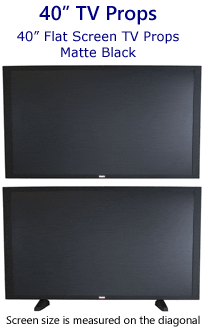
- 40" TV Prop Styles
- 32" TV Prop Styles
- View & Compare 32" TV Props
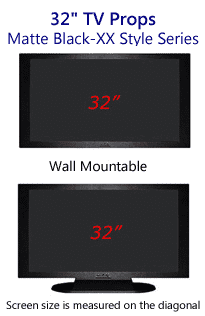
- 32" TV Props - Plasma TV Style in Matte Black
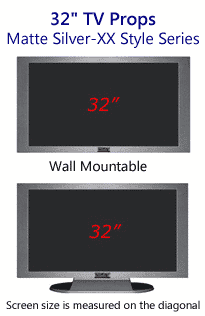
- 32" TV Props - Plasma TV Style in Matte Silver
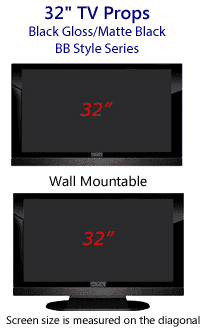
- 32" TV Props - Plasma TV Style in Gloss Black/Matte Black
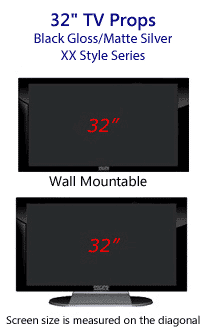
- 32" TV Props - Plasma TV Style in Gloss Black/Matte Silver
- 32" TV Props - HDTV Style (with Bottom Speaker) in Gloss Black/Matte Black
- 32" TV Props - HDTV Style (with Bottom Speaker) in Gloss Black/Matte Silver
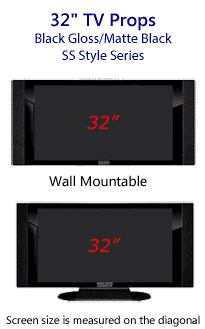
- 32" TV Props - HDTV Style (with Side Speakers) in Gloss Black/Matte Black
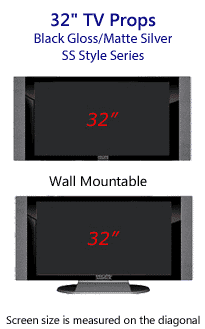
- 32" TV Props - HDTV Style (with Side Speakers) in Gloss Black/Matte Silver
- 27" TV Prop Styles
- View & Compare 27" TV Props
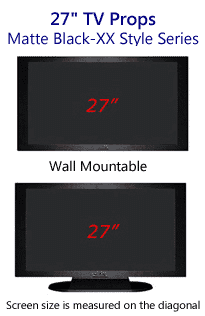
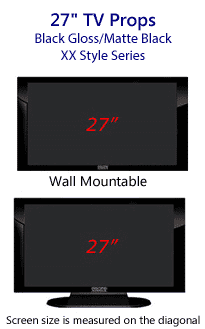
- 27" TV Props - Plasma TV Style in Matte Black
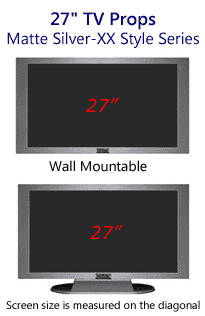
- 27" TV Props - Plasma TV Style in Matte Silver
- 27" TV Props - Plasma TV Style in Gloss Black/Matte Black
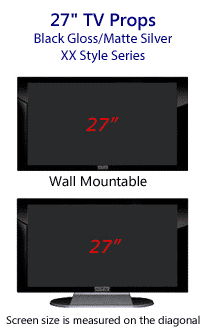
- 27" TV Props - Plasma TV Style in Gloss Black/Matte Silver
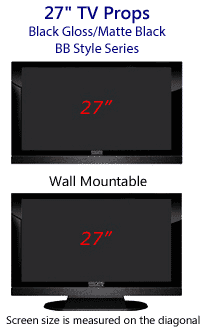
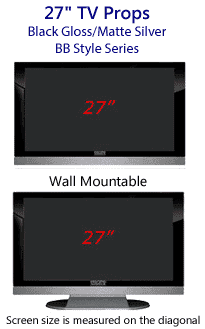
- 27" TV Props - HDTV Style (with Bottom Speaker) in Gloss Black/Matte Black
- 27" TV Props - HDTV Style (with Bottom Speaker) in Gloss Black/Matte Silver
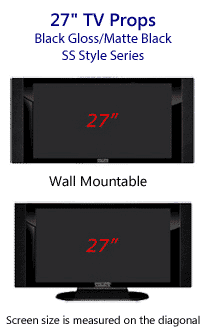
- 27" TV Props - HDTV Style (with Side Speakers) in Gloss Black/Matte Black
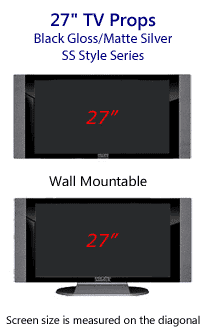
- 27" TV Props - HDTV Style (with Side Speakers) in Gloss Black/Matte Silver
- 22" TV Prop Styles
- View & Compare 22" TV Props
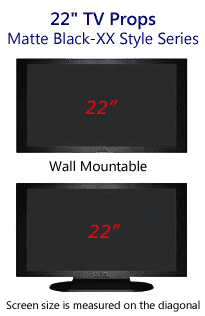
- 22" TV Props - Plasma TV Style in Matte Black
- 22" TV Props - Plasma TV Style in Matte Silver
- 22" TV Props - Plasma TV Style in Gloss Black/Matte Black
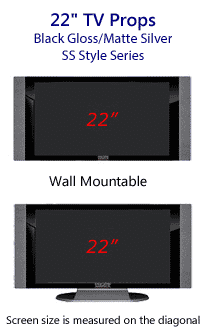
- 22" TV Props - Plasma TV Style in Gloss Black/Matte Silver
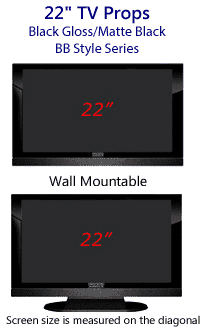
- 22" TV Props - HDTV Style (with Bottom Speaker) in Gloss Black/Matte Black
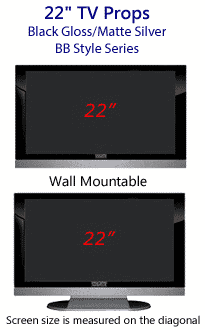
- 22" TV Props - HDTV Style (with Bottom Speaker) in Gloss Black/Matte Silver
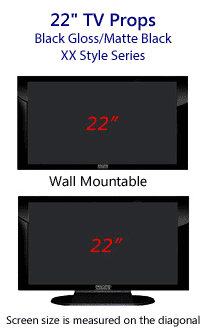
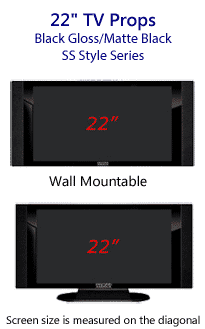
- 22" TV Props - HDTV Style (with Side Speakers) in Gloss Black/Matte Black
- 22" TV Props - HDTV Style (with Side Speakers) in Gloss Black/Matte Silver
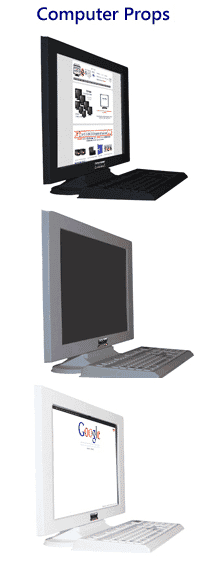
- Computer Props
- Screen Images
- Fake Foods
- About Our Fake Foods
- Shop All Fake Foods
- Breads & Rolls
- Breakfast Foods & Beverages
- Cakes & Cupcakes
- Cheese & Crackers
- Chocolate Dipped Fruit
- Chocolates & Candy
- Cookies & Donuts
- Drinks & Beverages
- Fake Food Packages
- Fruit Cups & Fruit Tarts
- Fruits & Fruit Slices
- Holiday Items
- Ice cream & Milkshakes
- Popcorn & Snacks
- Salads & Vegetables
- Spills & Novelties
- Sushi
- Accessories
- FAQs
- Contact Us